The installation of HVAC systems in buildings is crucial for maintaining a comfortable indoor environment. One important component of these systems is ductwork, which distributes heated or cooled air throughout the building. In some cases, suspended ducting is used to support the ductwork. This method of installation offers several benefits for both the efficiency of the HVAC system and the overall aesthetics of the building.
suspended ducting involves hanging the ductwork from the ceiling of the building, rather than installing it directly on the walls or floors. This method of installation offers several advantages, including improved air circulation, reduced noise levels, and easier access for maintenance purposes.
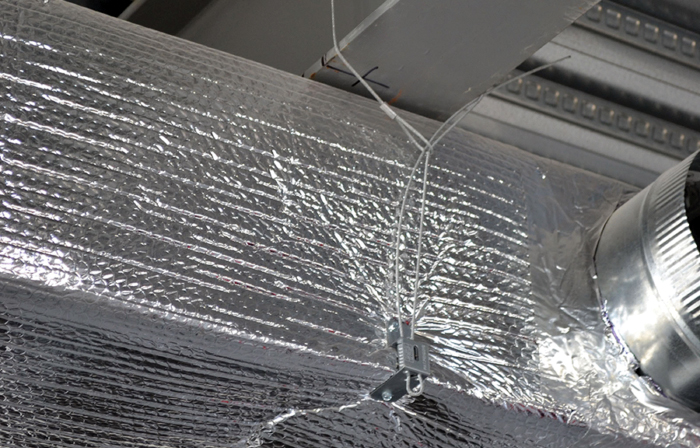
One of the main benefits of suspended ducting is improved air circulation. By hanging the ductwork from the ceiling, it allows for better air distribution throughout the building. This can help to ensure that all areas of the building receive an adequate amount of heated or cooled air, leading to a more comfortable indoor environment. Additionally, suspended ducting can help to prevent the buildup of dust and other contaminants in the ductwork, improving the overall air quality in the building.
Another advantage of suspended ducting is reduced noise levels. When ductwork is installed directly on walls or floors, it can create vibrations that lead to noise pollution in the building. By hanging the ductwork from the ceiling, these vibrations are minimized, resulting in a quieter indoor environment for building occupants. This can be especially beneficial in settings such as offices or residential buildings, where noise levels can have a significant impact on occupant comfort.
suspended ducting also offers easier access for maintenance purposes. In buildings where ductwork is installed directly on walls or floors, accessing the ductwork for repairs or maintenance can be a challenge. suspended ducting, on the other hand, allows for easy access to the ductwork from all sides, making it much simpler for HVAC technicians to perform routine maintenance tasks. This can help to extend the lifespan of the HVAC system and reduce the likelihood of costly repairs in the future.
From an aesthetic standpoint, suspended ducting can also be advantageous. By hanging the ductwork from the ceiling, it creates a cleaner and more streamlined look in the building. This can be particularly beneficial in settings such as retail stores or restaurants, where the appearance of the building plays a key role in attracting customers. Additionally, suspended ducting can help to free up wall and floor space, allowing for more flexibility in interior design and layout.
In conclusion, suspended ducting offers several benefits for HVAC systems in buildings. From improved air circulation and reduced noise levels to easier access for maintenance and enhanced aesthetics, this method of installation can help to optimize the performance of the HVAC system while also enhancing the overall comfort and functionality of the building. Building owners and facility managers should consider the advantages of suspended ducting when planning for the installation of HVAC systems in their buildings.
With the numerous benefits that suspended ducting offers, it is a valuable option for HVAC systems in various types of buildings. Whether it’s for better air circulation, reduced noise levels, easier access for maintenance, or enhanced aesthetics, suspended ducting can make a significant difference in the efficiency and functionality of HVAC systems. By choosing this method of installation, building owners can ensure that their HVAC systems operate optimally while maintaining a comfortable indoor environment.